The Role of Archaeology in Understanding Historical Faith Narratives
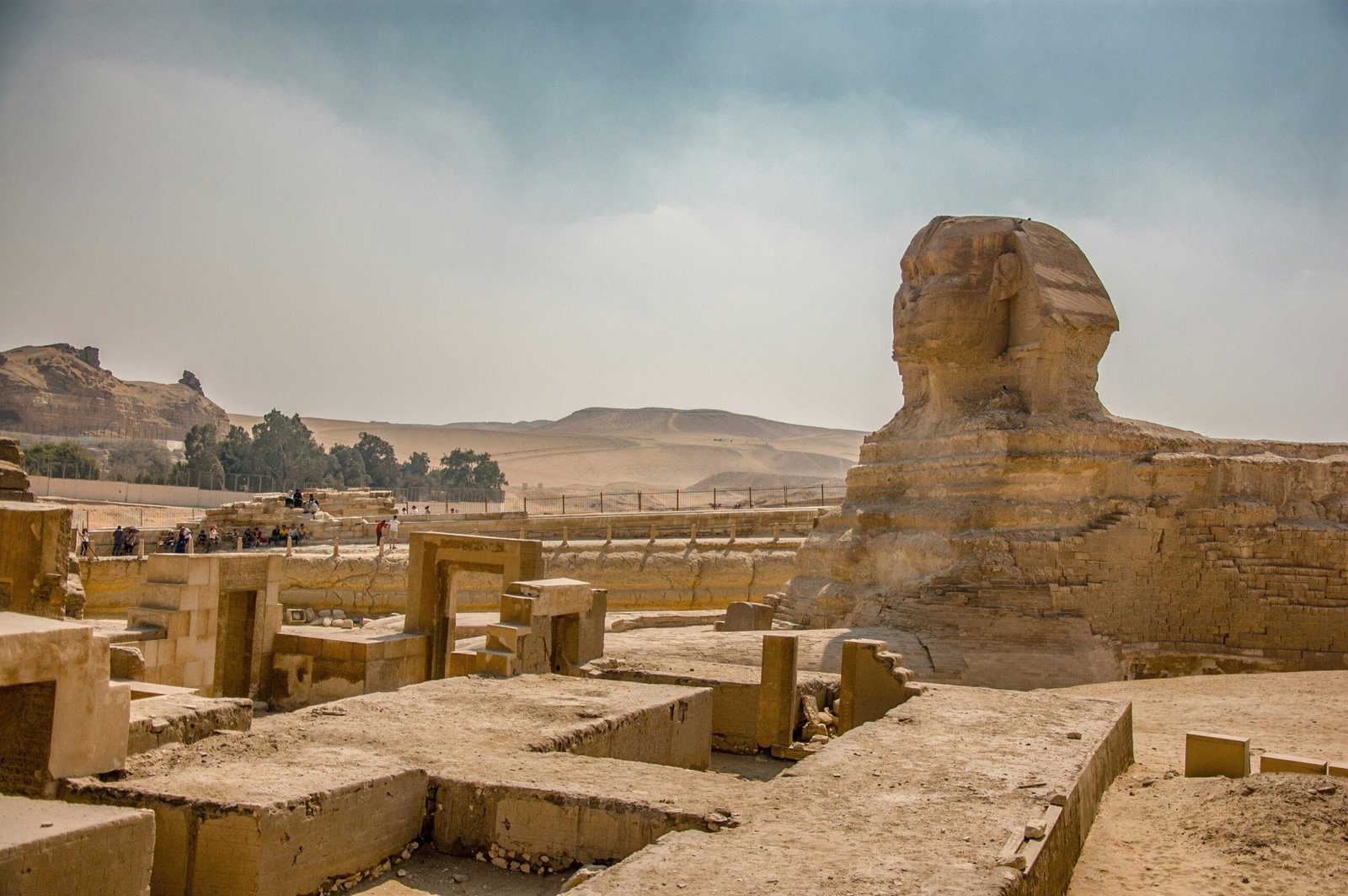
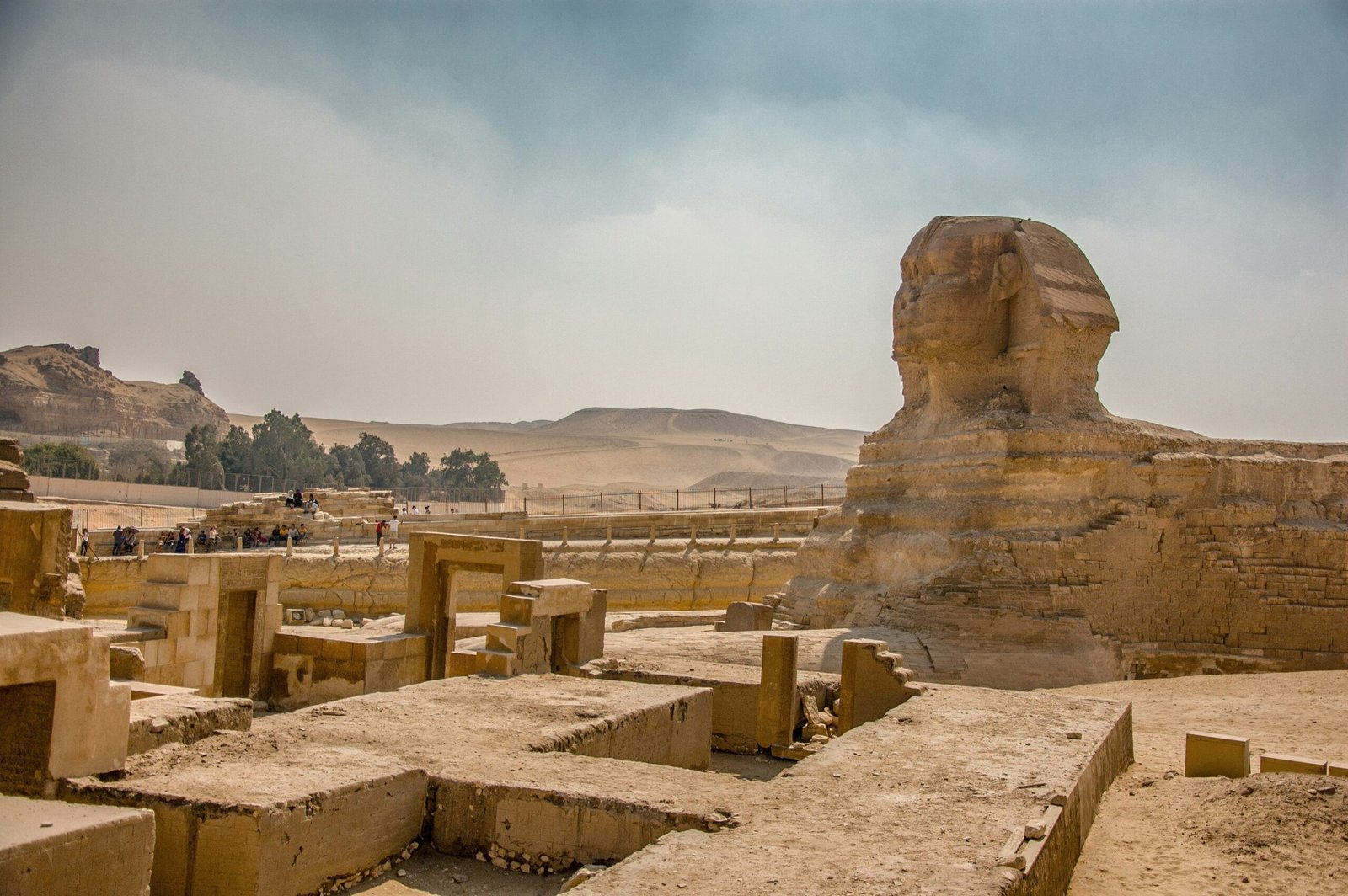
Archaeology plays a pivotal role in unearthing the historical narratives associated with various faith traditions. Through meticulous excavation and analysis of ancient artifacts, archaeologists illuminate aspects of past civilizations that may align with or contradict established religious texts. For instance, the discovery of the Dead Sea Scrolls in the mid-20th century offered profound insights into the Jewish faith and the early context of Christianity. These texts provided not only glimpses into ancient practices but also highlighted the diverse interpretations and sects that existed during that period, underscoring the dynamic nature of religious belief.
Another notable archaeological find is the ancient city of Jericho, which has been at the center of biblical narratives, particularly in the account of the walls of Jericho. Excavations have revealed layers of occupation and evidence suggesting significant historical events that align with biblical descriptions, sparking discussions among scholars and theologians regarding the correlation between archaeological data and scripture. Conversely, some archaeological discoveries have led to challenges against traditional religious narratives, prompting a re-evaluation of certain beliefs and fostering a more nuanced understanding of faith and history.
This interdisciplinary collaboration between archaeologists and theologians is crucial in interpreting these findings within the appropriate contextual frameworks. By fostering dialogue between these fields, scholars are better equipped to understand the intricate tapestry of human belief systems. The implications of such partnerships extend to the broader public, who are invited to re-consider established narratives about their faith. As archaeological research continues to progress, the interplay between archaeology and historical faith narratives is likely to remain a significant area of inquiry, further enriching our comprehension of ancient cultures and the evolution of human belief.
Modern News and Its Impact on Religious Interpretations and Beliefs
In today’s rapidly evolving information landscape, contemporary news events significantly influence the interpretation of faith and historical narratives within various religious communities. The proliferation of digital media amplifies the reach of news stories, often rekindling discussions around deeply held beliefs and prompting new faith-inspired movements. For example, recent events surrounding social justice, environmental concerns, and global conflicts have generated renewed interest in how religious texts and traditions speak to contemporary issues. These narratives not only challenge believers but also inspire new interpretations that align ancient teachings with modern realities.
One notable example is the heightened dialogue regarding climate change. Many religious leaders have taken a proactive stance, framing environmental stewardship as a moral imperative rooted in their faith’s tenets. This shift has inspired congregations to engage more actively in sustainability efforts, demonstrating how news can serve as a catalyst for communal action reflecting long-standing beliefs. Moreover, as complex societal challenges arise—such as racial injustice or immigration—a growing number of faith organizations are mobilizing to address these issues through advocacy and community service, bridging the gap between tradition and modern challenges.
Social media platforms have transformed how religious leaders communicate their messages in response to current events. Through live-streamed sermons and online discussions, they have the ability to reach wider audiences, fostering a dynamic exchange of interpretations among believers. These platforms allow faith communities to express solidarity during crises and to articulate their perspectives on societal issues in real time. As a result, the intersection of news and faith has fostered a more engaged, informed, and responsive religious populace.
Ultimately, it is the continuous interplay between news narratives and religious beliefs that shapes the way communities understand their faith and navigate the complexities of the modern world.