The Role of Archaeology in Understanding Historical Faith Practices
Archaeology serves as a crucial tool in uncovering the layers of historical faith practices that have significantly influenced cultures throughout history. By meticulously examining artifacts, sacred sites, and ancient structures, archaeologists have been able to piece together the intricate tapestry of religious beliefs and rituals practiced by various civilizations. One notable example includes the discovery of the ancient temple of Solomon in Jerusalem, which has provided invaluable insights into Jewish worship practices and community organization during its time.
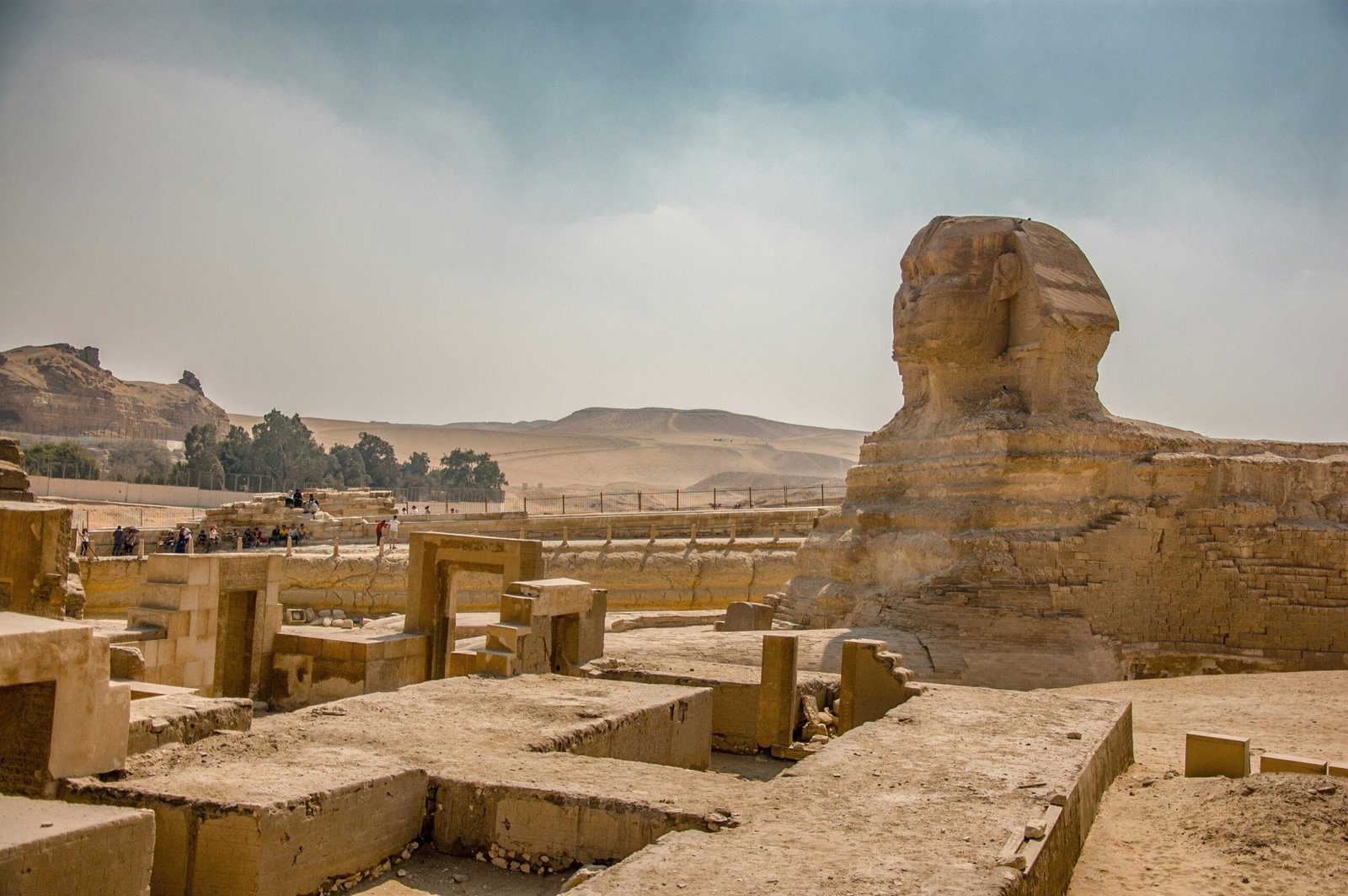
Archaeological findings often reveal detailed information about the rituals and ceremonies that shaped the spiritual lives of communities. For instance, the excavation of burial sites, such as those found in ancient Egypt, offers profound insights into the beliefs surrounding the afterlife and the significance placed on funerary practices. These findings not only illuminate the spiritual dimensions of past societies but also establish a connection to contemporary beliefs and practices, demonstrating the continuity and evolution of faith across generations.
By analyzing these key archaeological findings, researchers are able to draw parallels between ancient faith practices and modern belief systems, enhancing our comprehension of the diverse ways in which humanity has sought to understand the divine. Through this lens, archaeology not only provides relics of the past but also invites a richer dialogue about the intersection of culture, faith, and history.
Current News in Archaeological Discoveries Related to Faith
Recent archaeological discoveries have unveiled a plethora of artifacts that hold significant implications for religious traditions and faith-related narratives. Various excavations across the globe have shed light on ancient civilizations, such as those in Israel, Egypt, and Greece, where faith and daily life intersected. Notable findings include an ancient inscription in Jerusalem, regarded as a pivotal discovery for understanding the historical context of biblical events. This inscription, revealing references to key figures, has ignited scholarly debate regarding its implications for both archaeology and religious interpretations.
In another remarkable case, an archaeological team unearthed a collection of artifacts in Egypt, believed to be linked to early Christian communities. The excavation revealed pottery, crosses, and inscriptions that could offer insights into the daily practices of these communities and their beliefs. Scholars emphasize the importance of such findings as they bridge the gap between historical facts and faith-based narratives, allowing for a deeper understanding of early Christianity’s influence on local cultures.
The media has played a crucial role in disseminating these discoveries to the public. Coverage from various news outlets highlights the intersection of archaeology and faith, offering perspectives that range from scholarly interpretations to passionate responses from religious leaders. Interviews with archaeologists reveal their enthusiasm for the implications of these artifacts, as they discuss how these findings foster dialogue between contemporary faith communities and their ancient predecessors.
Furthermore, discussions within academic circles have been enriched by these discoveries, as researchers analyze the cultural and societal implications. The findings lead to ongoing debates about the relationship between archaeology, historical accuracy, and spiritual belief, allowing both communities and scholars to engage in meaningful dialogue. As excavations continue to reveal new dimensions of the past, the intersection of news, archaeology, and faith remains a vibrant topic ripe for exploration.